The Turning of the Bones (Famadihana)
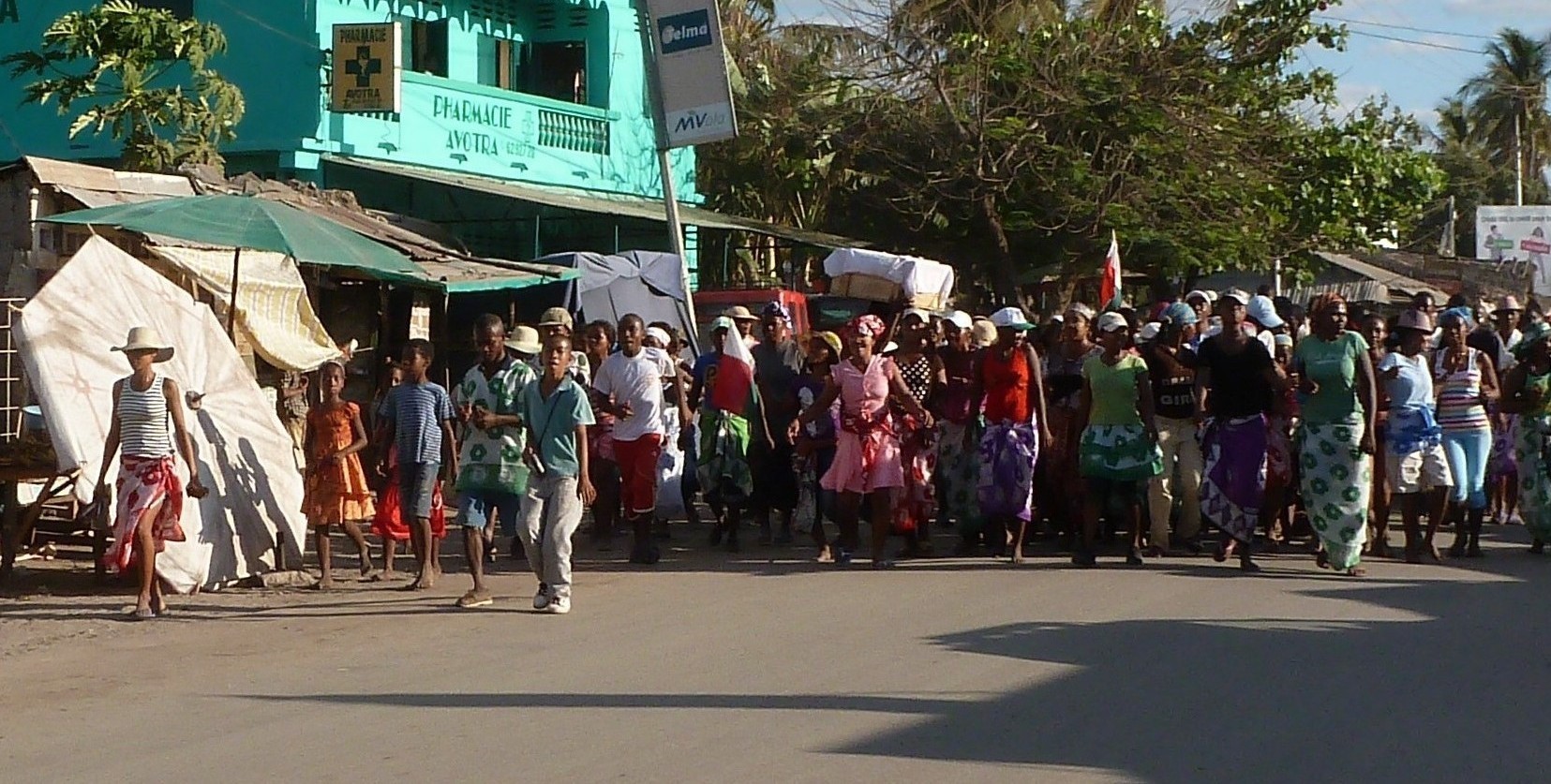
I was in Majunga, a bustling Indian Ocean town in north-western Madagascar; I heard the noise before I saw the crowd. A large group of people was moving towards me — men and women, young and old, some already, evidently, a little unsteady mamou (drunk), with beer and the local rum. They were singing, laughing, shouting. At first it looked like a carnival.

Then I noticed they were carrying a small box wrapped in a white cloth, raised high above their heads. Everyone wanted to touch it, to hold it for a few steps before passing it on. Alongside the box, they carried a photograph of a smiling young man. Suddenly it was clear: this was Famadihana — the Turning of the Bones, a tradition, I think, unique to Madagascar.
The crowd stopped outside a pub, part of the custom is to bring the bones of the deceased back to the places they loved in life. This young man had enjoyed a drink; his friends and family now toasted him again, drinking as though in his company.
In Madagascar, particularly among the Merina people of the central highlands, Famadihana usually takes place after seven years. Families, from wherever they live and friends gather at the ancestral, walk-in tomb, and remove the remains of member of the family.

The bones are lovingly rewrapped in fresh shrouds – silk when it can be afforded, sprinkled with perfume, and then, after the bones has been told of the family news and local gossip for the previous seven years they may be carried around to visit familiar places.
There is music and dancing, feasting and storytelling — a family reunion where the living and the dead are together once more. In the evening the bones are returned o the tomb to remain undisturbed.
It is a tradition that turns mourning into celebration, stressing the belief that death is not an end but a continuation. Ancestors remain present in the lives of the living, guiding them when remembered and consulted – a little like the role favourite saints play in Catholicism.

When I travel, and meet someone who has been living in the country for a while, and knowing better than I, the culture of a particular place, I ask questions. Sitting in a tiny bar in Tana – nobody calls it by its full name Antananarivo, I’m enjoying a stiff rum at midday – the best time to have one of the simulants that enliven life. I meet someone like that.
We chat. He has been living in Madagascar for years. I ask, emboldened by the rum, if he could say something about the Malagasy soul. He replies immediately, “The Ancestors.” That’s it”? I say, willing him to go on. “That’s it”, he says again. “Belief and respect for the ancestors.” We drink to that. I call for another rum and before too long I begin to feel their presence. After a little while, I hear a voice saying, “You’re getting tipsy, time to go”. I know it’s an Irish ancestor because a Malagasy one probably would have murmured softly, “Go on, have another one, you only live once”. And believing in the maxim, “When in Rome…”