
5 Realities of Navigating Overland Travel in Madagascar
Many Malagasy highways promise some of the most spectacular landscapes on earth, but getting from point A to point B here isn’t just commuting A to B, it’s an epic adventure to be prepared for. Before you pack your bags and head out, here is what the guidebooks usually leave out about going overland.
1. The “Taxi-Brousse” is a Lesson in Zen
The bush taxi is the lifeblood of overland travel. They don’t run on a timetable; they leave when they are completely full.
- The Reality: “Full” means exactly what you think, plus three more people, a crate of ducks, and a mattress and probably a couple of bicycles strapped to the roof.
- The Takeaway: Don’t schedule connections. Give the entire day to the journey, bring plenty of water, and embrace the adventure of the Malagasy road.
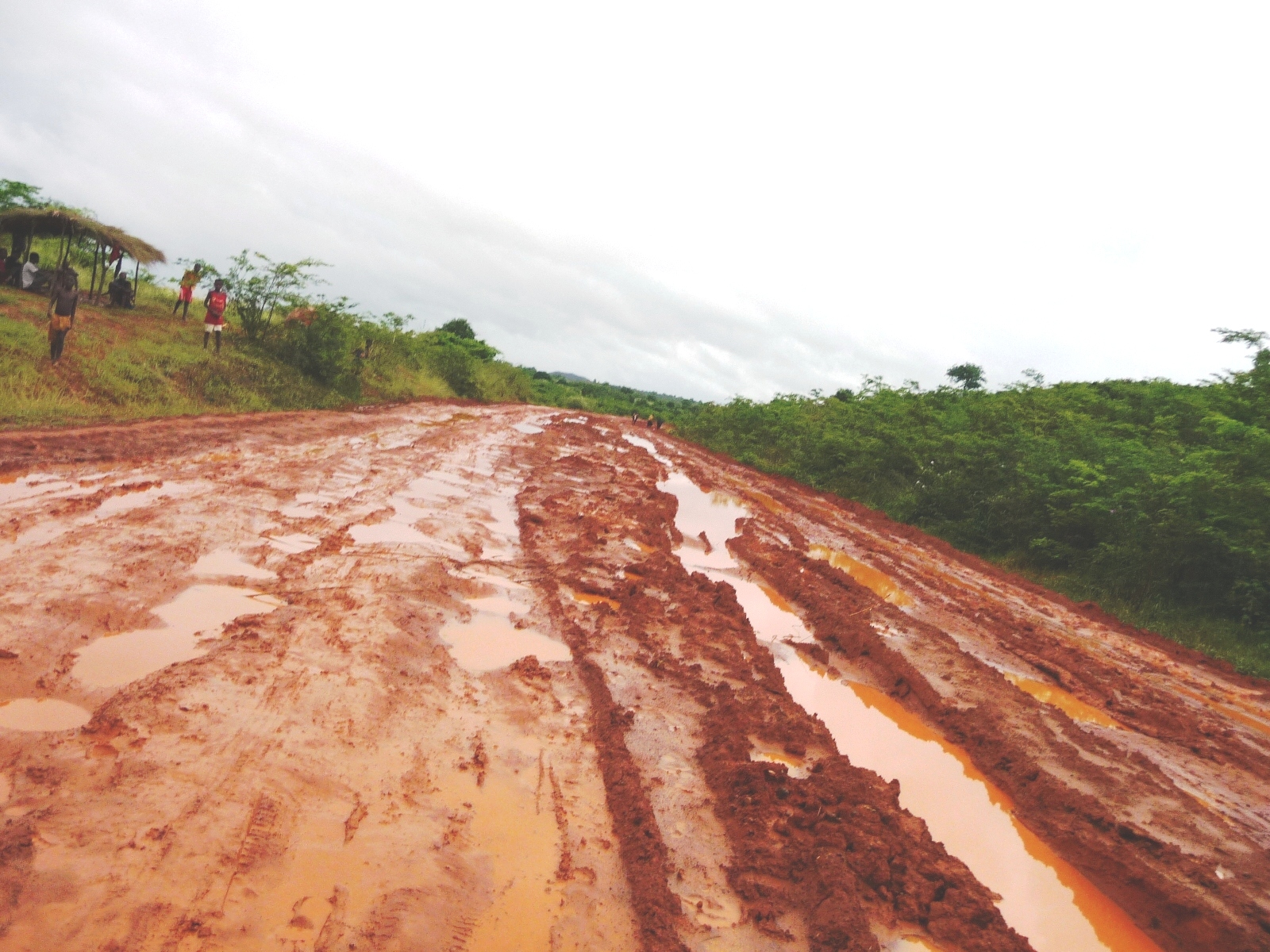
2. Potholes is a misnomer

Calling them potholes doesn’t quite do them justice; some stretches of the main routes resemble lunar craters. A journey of 250 kilometers that would take two hours on a European highway can easily take eight to ten hours here.
- The Reality: The infrastructure challenges mean vehicles take a beating, and flat tires or mechanical timeouts are standard features of the trip, not exceptions.
3. The “Gasy” Culinary stops are the Secret Highlight

One of the best parts of overland travel is pulling into a roadside village town for lunch at a local hotely.
- The Reality: You will get a mountain of steaming rice (vary) served with a rich, slow-simmered zebu stew (roma-lava) or local greens. It’s incredibly filling, costs next to nothing, and gives you a genuine taste of local life far away from the tourist bubbles.
4. Solar Time Rules the Road
Once the sun sets, the landscape goes pitch black. Outside of major towns, there is zero street lighting or indeed electricity, and driving at night is generally avoided due to safety and the sheer difficulty of spotting road hazards in the dark.
- The Reality: The country wakes up at 5:00 AM with the sun, and the roads fall almost silent with the dark.
5. Cash is the Only Currency That Travels
Once you leave the capital or major provincial towns, plastic becomes useless.
- The Reality: Small-town markets, roadside fruit stalls, and rural hotelys only take Ariary. Keep smaller denomination notes handy—trying to break a large bill (20 000 Ariary – 4 to 5 euro – is the largest Malagasy note) in a small village can be tough.